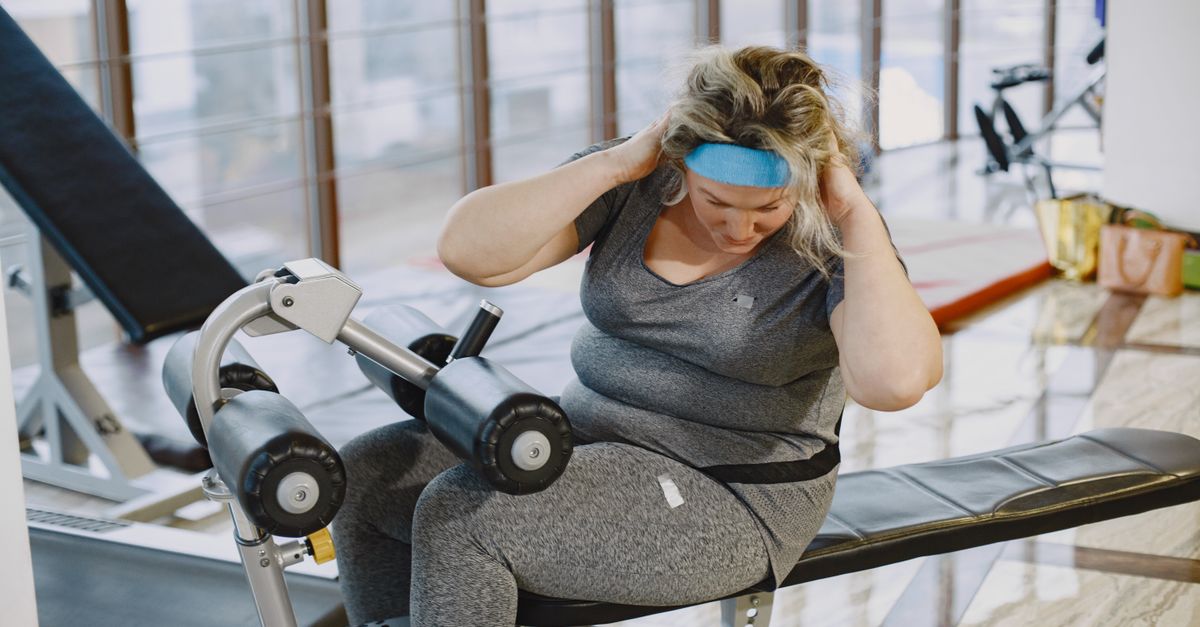
Why Most 'Budget' Home Exercise Equipment Fails (And What Actually Works for Real Fitness)
Are you staring at that dusty, unused resistance band set in the corner? Or perhaps a shaky, ill-fitting stationary bike that felt like a bargain at the time, but now just collects clothes? You’re not alone. I’ve been there, a victim of the promise of ‘budget-friendly fitness’ that often ends up being neither budget-friendly nor conducive to actual fitness.
Like many, I once believed that assembling a home gym meant sacrificing quality for affordability. My early attempts were a graveyard of flimsy dumbbells, wobbly ab rollers, and a pull-up bar that threatened my doorframe more than my muscles. I kept thinking, ‘If I just had the right equipment, I’d stick with it.’ What I didn’t realize was that my definition of ‘right equipment’ was completely off, and the real barrier wasn’t the price tag, but the misguided assumptions behind my purchases.
The truth is, most budget home exercise equipment fails people not because they lack motivation, but because the equipment itself actively works against consistency, safety, and real progress. It’s a subtle sabotage, designed to lure you in with a low price, only to disappoint when it breaks, feels uncomfortable, or simply doesn’t deliver a challenging enough workout. I’ve learned the hard way that a few thoughtful, strategic investments – or even intelligent repurposing – will get you infinitely further than a garage full of forgotten ‘deals.’
Key Takeaways
- Cheap equipment often prioritizes low cost over functionality, leading to discomfort, poor form, and abandonment.
- Investing in versatile, durable foundational pieces, even if slightly more expensive, drives consistent engagement and long-term value.
- Leverage bodyweight exercises and readily available household items for effective workouts without specialized gear.
- Focus on a few high-quality, multi-purpose items that can grow with your fitness journey, rather than accumulating single-use gadgets.
The Ergonomics and Durability Trap: Why Cheap Is Often Costly
My first foray into a home gym was an impulse purchase of a ‘multi-function’ weight bench from a discount retailer. It looked great in the photos – sleek, compact, and best of all, incredibly cheap. The reality? It felt like it was made of papier-mâché. The padding was thin, offering no real support. The adjustments were clunky and often jammed, forcing me to wrestle with it just to change the incline. More critically, the frame swayed ominously during even light dumbbell presses. This wasn’t just uncomfortable; it was genuinely unsafe. I spent more time worrying about the bench collapsing than focusing on my form.
The problem with most budget equipment lies in a fundamental compromise: manufacturers cut corners on materials and engineering to hit a low price point. This results in products that are ergonomically unsound and structurally weak. For instance, cheap resistance bands snap unexpectedly, leading to injury. Discount dumbbells often have poorly welded handles or uneven weight distribution, making lifts awkward and potentially dangerous. Stationary bikes might have uncomfortable seats, flimsy pedals, and unstable frames, making a 30-minute ride feel like an endurance test against the equipment itself, not your body.
In my experience, if a piece of equipment doesn’t feel stable, comfortable, and intuitive to use, you won’t use it. The friction of discomfort or fear of injury is a powerful deterrent, far more significant than any initial savings. I quickly learned that I’d rather do push-ups on the floor than risk my back on a shoddy bench. My advice: inspect construction closely, read reviews that specifically mention stability and material quality, and recognize that certain items simply cannot be made truly ‘budget-friendly’ without compromising your safety and long-term consistency.
The Single-Purpose Gadget Graveyard: More Clutter, Less Fitness
Another pitfall I fell into was the allure of single-purpose fitness gadgets. Remember the ‘ab roller’ craze? Or the ‘thigh master’? I certainly do. I bought a particularly aggressive-looking ab wheel, convinced it was the secret to a six-pack. It wasn’t. It was uncomfortable, incredibly difficult for a beginner, and quickly relegated to the back of my closet, joining a sad collection of other ‘miracle’ tools.
The fitness industry is brilliant at marketing novelty. They create products that target a very specific, often aesthetic, goal and promise quick results. The issue is, these gadgets rarely provide a comprehensive workout, nor do they offer scalability as you get stronger. They’re designed for a singular movement, which often means you outgrow them quickly or find them too difficult to use effectively in the first place.
What changed everything for me was shifting my focus from specific body parts to functional movement patterns. Instead of an ab roller, I learned to do planks, leg raises, and bicycle crunches – all bodyweight exercises that are far more effective and cost nothing. Rather than a thigh master, I focused on squats, lunges, and glute bridges. These movements engage multiple muscle groups, improve overall strength and mobility, and can be easily modified to increase or decrease intensity without needing new equipment. The lesson here is clear: versatility is king. Choose equipment that supports a wide range of exercises and can adapt to your progress, not just a fleeting trend.
The Motivation Myth: How Equipment Sabotages Consistency
I used to think that buying new equipment would motivate me. The shiny newness, the investment – surely that would be enough to get me working out regularly. I’d buy a new set of resistance bands, use them twice, and then they’d disappear into the abyss of my laundry basket. My cheap stationary bike, despite being ‘right there,’ felt like a chore just to sit on, let alone pedal.
This isn’t a failure of willpower; it’s a design failure. If equipment is uncomfortable, difficult to set up, or doesn’t provide a satisfying workout, it creates a mental barrier to exercise. The initial novelty wears off quickly, replaced by the friction of a poor user experience. Conversely, if your equipment is high-quality, enjoyable to use, and helps you feel stronger, it becomes an enabler of consistency.
What truly worked for me was focusing on lowering the barrier to entry for my workouts. This meant prioritizing simplicity and efficacy. Instead of relying on a complex machine, I invested in a few key items that I genuinely enjoyed using and that felt effective. This led me to discover the power of adjustable dumbbells, a sturdy yoga mat, and a reliable jump rope. These items are quick to set up, provide a full-body workout, and crucially, they feel good to use. The result? I actually wanted to work out because the experience was rewarding, not frustrating.
The Smart Alternative: Investing in Foundational, Versatile Pieces
After years of trial and error (and a significant amount of wasted money), I overhauled my approach. Instead of chasing cheap thrills, I focused on a minimalist, highly effective home gym built around versatility and quality. Here’s what I learned actually works:
Adjustable Dumbbells: These are a game-changer. Instead of buying a rack of individual dumbbells, a single pair of adjustable dumbbells can replace an entire set, saving space and money in the long run. Brands like Bowflex or PowerBlock, while an initial investment, pay dividends in convenience and durability. They support a vast array of exercises from squats to presses, rows, and curls, and scale with your strength.
A Sturdy Yoga Mat: Don’t underestimate this. A good, thick, non-slip mat is essential for bodyweight exercises, stretching, and even supporting light weights. My cheap early mats would slide, tear, or offer no cushioning, making floor work uncomfortable. A quality mat creates a dedicated, comfortable space for movement, making you more likely to actually get down and work out.
High-Quality Resistance Bands (Loop & Long): Forget the flimsy sets. Invest in a few heavy-duty loop bands for glute work, and a couple of long, strong resistance bands with handles. These are incredibly versatile for strength training, mobility work, and even assisted pull-ups. They are portable, take up minimal space, and can provide significant challenge.
A Reliable Pull-Up Bar (Doorframe or Freestanding): Pull-ups are one of the most effective upper body exercises. A sturdy doorframe pull-up bar (ensure your doorframe can handle it) or a compact freestanding power tower is a worthwhile investment. Again, prioritize stability and safety over a rock-bottom price.
A Jump Rope: Simple, cheap, and an incredible cardio workout. A good quality jump rope with adjustable length and smooth rotation can provide a high-intensity workout in minutes and takes up almost no space. It’s far more engaging than a boring run on a treadmill, and more effective for quick bursts of cardio than many expensive machines.
What I’ve realized is that you don’t need dozens of pieces of equipment. You need a few items that are well-made, multi-functional, and allow you to perform fundamental exercises safely and effectively. This curated approach prevents clutter, encourages consistent use, and ultimately delivers real, sustainable fitness results.
Leveraging Bodyweight and Household Items: The Ultimate Budget-Friendly Approach
Before I even considered buying a single piece of equipment, I wish I’d fully embraced the power of bodyweight exercises and readily available household items. The biggest mistake I see most often is people thinking they need specialized gear to start. This mindset is a roadblock, delaying action and often leading to unnecessary purchases.
Think about it: Your own body is the most sophisticated piece of exercise equipment you own. Push-ups, squats, lunges, planks, crunches, burpees – these are all incredibly effective movements that require nothing but gravity and a small amount of floor space. When I finally started focusing on perfecting these foundational movements, I saw more progress than I ever did with my collection of flimsy gadgets.
Beyond bodyweight, look around your home: a sturdy chair can be used for triceps dips or elevated push-ups. Water bottles or canned goods can serve as light dumbbells for shoulder presses or bicep curls. A towel can be used for core exercises or for added friction during lunges. A staircase becomes an instant cardio machine. The key is creativity and a willingness to improvise. The “no equipment, no workout” excuse vanishes when you realize the vast potential within your own home. This approach not only saves money but also builds resourcefulness and discipline, which are invaluable for long-term fitness.
The Hidden Cost of Inactivity: Why Cheap Equipment Isn’t a Bargain
The real, hidden cost of cheap home exercise equipment isn’t just the money you spend on it; it’s the cost of inactivity. That dusty exercise bike isn’t just taking up space; it represents a missed opportunity for improved health, increased energy, and stress reduction. Every time you trip over that unused ab roller, it’s a reminder of a fitness goal unachieved. This can subtly erode self-efficacy and make you feel like a failure, further cementing the cycle of inactivity.
When I shifted my mindset to focus on value and consistency rather than just price, my entire relationship with home fitness changed. I realized that a $150 set of adjustable dumbbells that I use 4-5 times a week for years is infinitely more ‘budget-friendly’ than a $50 gadget that sits in a cupboard forever. The latter is 100% wasted money, and worse, it actively deters me from pursuing my wellness goals.
My experience taught me that real fitness isn’t about accumulating equipment; it’s about building sustainable habits. And those habits are far easier to build when your tools support you, rather than hinder you. Invest wisely, start simple, and prioritize movements that truly challenge your body. Your health is worth more than a fleeting discount.
Frequently Asked Questions
Q: What is the absolute bare minimum equipment I need for a home gym if I’m on a tight budget?
A: For a truly tight budget, focus on bodyweight exercises (push-ups, squats, planks, lunges). You can supplement with a sturdy chair for dips, water bottles or canned goods for light weights, and a jump rope for cardio (around $10-20). A good quality yoga mat (around $20-40) is also highly recommended for comfort and stability.
Q: How do I know if a piece of equipment is ‘good enough’ or if it’s a cheap trap?
A: Look for stability (does it wobble?), quality of materials (avoid thin plastic or flimsy metal), ergonomic design (is it comfortable to use, does it support natural movement?), and read user reviews for long-term durability issues or common complaints about discomfort/breakage. If a price seems too good to be true for something like a weight bench or stationary bike, it probably is.
Q: Is it better to buy all my home gym equipment at once or gradually?
A: Gradually is almost always better. Start with 1-2 foundational, versatile items (like adjustable dumbbells or heavy-duty resistance bands) that support a wide range of exercises. See what you actually use consistently and what gaps emerge in your routine. This prevents impulse buys and ensures your investments align with your actual fitness journey.
Q: Can I really get fit with just bodyweight exercises?
A: Absolutely! Bodyweight exercises are incredibly effective for building strength, endurance, and flexibility. Many advanced bodyweight movements (like pistol squats or one-arm push-ups) require immense strength. The key is progressive overload – gradually increasing reps, sets, reducing rest, or making exercises more challenging as you get stronger.
Q: What’s the biggest mistake people make when setting up a home gym?
A: The biggest mistake is buying too much single-purpose, low-quality equipment based on fleeting motivation rather than investing in versatile, durable pieces that support a long-term, varied fitness routine. This leads to wasted money, clutter, and ultimately, discouragement.
Building a home fitness routine doesn’t have to be expensive, but it does require smart choices. By understanding the common pitfalls of budget equipment and prioritizing quality, versatility, and foundational movements, you can create a sustainable and effective path to better health. Ditch the flimsy gadgets and embrace the power of intentional movement – your body (and your wallet) will thank you. Now, go re-evaluate that dusty corner; maybe it’s time for an upgrade, or simply a strategic clear-out to make room for more effective movement.
Written by Sarah Chen
Productivity & Personal Well-being
A seasoned lifestyle journalist with a keen eye for practical living and personal growth strategies.
You Might Also Like

Why Most Beginners Fail at Decluttering Emotional Clutter (And The Intentional Release Strategy That Actually Works)
Emotional clutter weighs you down more than physical stuff. Learn why traditional 'let it go' advice fails and embrace an intentional release strategy.
Why Most Beginners Fail at Personal Development (And The Layered Approach That Actually Works)
Discover why traditional personal development often fails, and learn a sustainable, layered approach to achieve lasting growth.

Why Most Beginners Fail at Personal Wellness (And The Layered Approach That Actually Works)
Discover why traditional personal wellness advice often misses the mark and how a layered, practical approach can lead to lasting well-being.