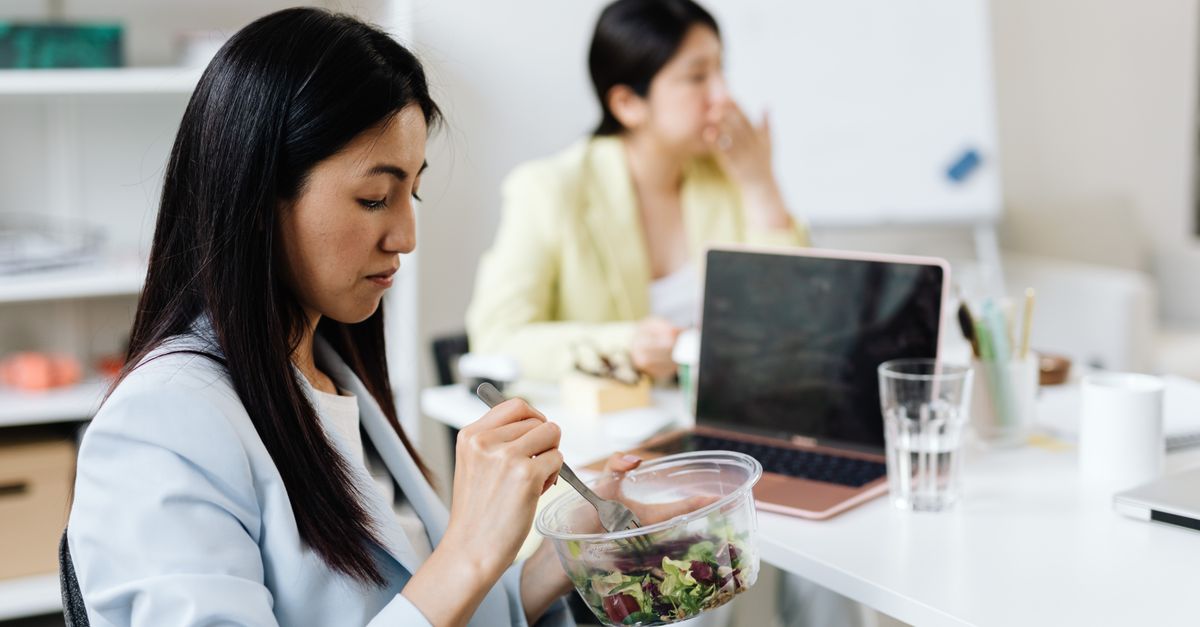
Why Most People Hate Meal Prepping (And What Actually Works Instead)
Are you staring at a fridge full of sad, identical containers, feeling defeated by your latest meal prep attempt? You’re not alone. I’ve been there – meticulously chopping, cooking, and portioning on a Sunday, only to dread eating the same bland chicken and broccoli by Wednesday. The promise of meal prepping – saving time, money, and eating healthier – often clashes with the reality of flavor fatigue, wasted food, and the sheer monotony of it all. Most people abandon meal prepping not because the concept is flawed, but because the traditional approach is fundamentally misaligned with how we actually enjoy food and live our lives.
We’re taught to cook entire meals, portion them out, and stack them up. This ‘assembly-line’ model, while efficient on paper, overlooks our cravings, our desire for variety, and the simple fact that our tastes can change day-to-day. This rigid system often leads to burnout, food waste, and ultimately, a return to last-minute takeout or unhealthy choices. But what if I told you there’s a more flexible, sustainable way to get all the benefits of meal prepping without the soul-crushing repetition? I’ve spent years refining my approach, moving away from the ‘full meal’ prep to a ‘component-based’ strategy that has genuinely changed my relationship with food and my weekly routine.
Key Takeaways
- Traditional ‘full meal’ meal prepping often leads to flavor fatigue and food waste, making it unsustainable for most.
- The ‘component-based’ meal prep strategy focuses on preparing versatile ingredients, not entire dishes.
- Prioritize cooking versatile proteins, grains, and vegetables that can be mixed and matched throughout the week.
- Embrace ‘planned leftovers’ by cooking slightly more dinner than needed for future lunch components.
- Don’t aim for perfection; even preparing a few key ingredients can significantly reduce cooking stress.
The Flavor Fatigue Trap: Why Identical Meals Backfire
The biggest killer of traditional meal prep, in my experience, is flavor fatigue. Imagine eating the exact same meal for lunch five days in a row. No matter how delicious it was on Monday, by Thursday, it feels like a chore. Our palates crave variety. Our brains seek novelty. When you commit to a week of identical meals, you’re fighting against basic human psychology and your inherent desire for different textures, spices, and experiences. This isn’t a lack of discipline; it’s a natural response to monotony.
The mistake I see most often is people trying to emulate Instagram-perfect meal prep photos, where every container is identical. This might look organized, but it’s a recipe for culinary boredom. The reality is, if you don’t want to eat what you’ve prepped, it will sit in the fridge, eventually go bad, and you’ll end up ordering food anyway, negating all your hard work. What changed everything for me was realizing that the goal isn’t to create five identical meals; it’s to create a pool of healthy, ready-to-eat components that can be assembled into different meals throughout the week. This small shift makes a monumental difference in sustainability and enjoyment.
The ‘Component-Based’ Revolution: Versatility Over Rigidity
Forget prepping entire dishes. My game-changing strategy is component-based meal prepping. Instead of cooking five portions of chicken stir-fry, I cook a larger batch of plain grilled chicken, a big pot of quinoa, and several types of roasted vegetables separately. These are my building blocks. This approach gives me the flexibility to combine them in various ways, ensuring variety and preventing flavor fatigue.
For example, that grilled chicken can become:
- A chicken salad sandwich on Tuesday.
- Added to a quick pasta dish with pre-chopped veggies on Wednesday.
- Part of a grain bowl with quinoa, roasted sweet potatoes, and a fresh dressing on Thursday.
- Stir-fried with some fresh bell peppers and a simple sauce on Friday.
This method requires a mental shift: you’re not planning meals, you’re planning ingredients. This way, you always have healthy components ready to go, but you retain the freedom to decide what you actually feel like eating that day. It’s the difference between being locked into a rigid schedule and having a well-stocked pantry of possibilities. This flexibility has been the single biggest factor in my long-term meal prep success.
Prioritize Versatile Proteins: Your Weekly Anchors
When it comes to proteins, versatility is key. Opt for cooking methods and seasonings that are neutral enough to pair with various cuisines and flavor profiles throughout the week. Overly seasoned proteins can limit your options, locking you into one type of meal.
Here are my go-to versatile proteins and how I prepare them:
- Chicken Breast/Thighs: I usually bake or grill a large batch with just salt, pepper, and a touch of garlic powder. This simple seasoning allows it to be repurposed for salads, wraps, stir-fries, or even diced into a soup base. Cook an extra pound or two more than you think you need.
- Hard-Boiled Eggs: These are a lifesaver. Boil a dozen at the beginning of the week. They’re perfect for quick breakfasts, adding to salads for extra protein, or a fast snack. They last well in the fridge for up to a week.
- Legumes (Lentils, Chickpeas): If you’re plant-based or just enjoy them, cook a big pot of lentils or soak and cook chickpeas from scratch. They’re incredibly cheap, packed with fiber, and can be used in salads, curries, tacos, or blended into dips like hummus. I often cook black beans and kidney beans as well, seasoning minimally until I’m ready to use them.
- Ground Meat (Turkey, Beef): Cook a large batch of seasoned ground meat (e.g., taco seasoning, Italian herbs) and divide it. One portion can go into tacos, another into a quick pasta sauce, and a third into a lettuce wrap or on top of a baked potato.
The trick is to under-season initially. You can always add more flavor (spices, sauces, fresh herbs) when you’re assembling your meal. This keeps your options open and your palate excited.
Grain & Veggie Power: The Foundation of Flexible Eating
After proteins, focus on cooking large batches of grains and roasting a variety of vegetables. These form the bulk of your meals and are infinitely adaptable. They are your canvas for creativity.
Grains:
- Quinoa: A complete protein, cooks quickly, and is incredibly versatile. I make a large batch plain or with a vegetable broth. It’s excellent cold in salads, warm as a base for bowls, or mixed into soups.
- Brown Rice/Farro: These hearty grains are great for absorbing flavors. Cook a big pot and portion it out. They pair well with almost any protein and vegetable combination.
- Pasta: Sometimes, I’ll boil a large box of a short pasta shape (like rotini or penne) and keep it plain. It can then be quickly tossed with pesto, marinara, or a simple olive oil and veggie mix.
Vegetables:
Roasting vegetables is my preferred method for meal prep. It brings out their sweetness and gives them a pleasant texture, and they reheat well. Chop a variety of hearty vegetables, toss them with a little olive oil, salt, and pepper, and roast them on a large sheet pan. Aim for different colors and textures to maximize nutrients and visual appeal.
- Hardy Vegetables: Broccoli, cauliflower, Brussels sprouts, sweet potatoes, bell peppers, carrots, and zucchini are excellent for roasting. They hold up well in the fridge.
- Leafy Greens: Wash and chop a large container of mixed greens, spinach, or kale. Keep dressings separate to prevent sogginess. These are perfect for quick salads or sautéing as a side.
By having these components ready, you can assemble a nutritionally balanced meal in minutes. A scoop of quinoa, some grilled chicken, and a mix of roasted veggies with a squeeze of lemon and a drizzle of olive oil? Done. A fresh salad base with chickpeas, roasted peppers, and a light vinaigrette? Also done. The possibilities are endless, and more importantly, they are your possibilities.
The Art of ‘Planned Leftovers’: Cooking Smarter, Not Harder
Another crucial element of my successful meal prep strategy is planned leftovers. This isn’t just about having extra dinner; it’s about intentionally cooking more than you need for one meal, specifically with the intention of repurposing those leftovers into entirely different meals later in the week. This drastically reduces your ‘prep’ time on Sundays because you’re incorporating it into your regular cooking.
Here’s how I do it:
- Double Your Dinner Recipes: If I’m making chili, a hearty stew, or a stir-fry for dinner, I double the recipe. One portion is for that night’s dinner, and the rest gets portioned into containers. But instead of labeling them ‘Chili for Tuesday Lunch,’ I think about how I can transform them.
- Deconstruct for Repurposing: For example, if I make a big batch of seasoned ground turkey with veggies for tacos, I might portion out some plain ground turkey before seasoning for future use. Or, I might intentionally make extra roasted chicken, knowing half will go to dinner, and the other half will become chicken salad. An extra baked sweet potato can become the base for a loaded lunch bowl.
- Separation is Key: If you’re making a saucy dish, keep the saucy components separate from the grain or veggie base when storing. This prevents sogginess and allows you to reheat them individually or combine them in new ways. For example, keep chili separate from rice, or curry separate from quinoa.
This approach means that throughout the week, even if you don’t do a big Sunday session, you’re constantly building your ‘component library’ simply by cooking smart dinners. It feels less like a chore and more like a natural extension of your daily cooking habits.
Don’t Aim for Perfection: Any Prep is Good Prep
The final, and perhaps most important, lesson I’ve learned is to abandon the pursuit of perfection. Many people get overwhelmed by the idea of perfectly portioned, identical meals for the entire week and then give up before they even start. My advice? Start small. Any amount of prep is better than none.
- Pick One or Two Things: Maybe this week you just roast a big batch of vegetables. Or you cook a pot of quinoa. Or you hard-boil a dozen eggs. Even having one or two healthy components ready to go will significantly reduce your weekday stress and improve your eating habits.
- It Doesn’t Have to Be Sunday: While Sunday is traditional, you can prep any day you have an extra hour. Maybe it’s Tuesday evening, or perhaps you utilize the few minutes your water is boiling for pasta to chop some extra veggies.
- Embrace Imperfection: Your prepped meals don’t have to be gourmet. They just need to be accessible, healthy, and something you’ll actually eat. Sometimes, a plain piece of grilled chicken and a container of mixed greens is exactly what you need to avoid ordering pizza.
The real goal of meal prepping isn’t just to cook; it’s to create a system that supports your health goals without adding unnecessary stress or boredom to your life. By focusing on versatile components, planning smart leftovers, and letting go of the need for perfection, you can transform meal prepping from a dreaded chore into an empowering habit that truly helps you live better every day.
Frequently Asked Questions
How long do meal prep components typically last in the fridge?
Most cooked meal prep components like roasted vegetables, cooked grains, and lean proteins (chicken, fish, legumes) will last safely in the refrigerator for 3-4 days when stored in airtight containers. Hard-boiled eggs can last up to a week. For longer storage, cooked components can often be frozen for up to 2-3 months.
What are some common mistakes people make when trying to meal prep?
Common mistakes include: cooking too many of the exact same meal, leading to flavor fatigue; making overly complicated recipes that take too long; not having appropriate airtight containers; forgetting to account for condiments and dressings (which should be stored separately); and trying to prep for an entire week when 3-4 days might be more sustainable initially.
Can I still enjoy cooking fresh meals during the week if I meal prep?
Absolutely! Component-based meal prepping is designed to support your cooking, not replace it entirely. By having foundational ingredients ready, you can still cook a quick, fresh meal using prepped components as a head start, or you can opt for a completely fresh, un-prepped meal if you have the time and desire. The flexibility is a key benefit.
How do I prevent my prepped food from getting soggy or bland?
To prevent sogginess, always store sauces and dressings separately from your main components. For vegetables, don’t overcook them during the initial prep – aim for slightly al dente so they don’t turn mushy when reheated. For blandness, under-season your base components and then add fresh herbs, citrus, hot sauce, or different sauces when you assemble your meal to introduce variety and freshness.
What are the best containers for meal prepping?
Airtight, BPA-free containers are essential. Glass containers are excellent because they are durable, microwave-safe, dishwasher-safe, and don’t absorb odors or stains. Plastic containers are lighter and often more affordable, but ensure they are food-grade and microwave-safe. Look for containers with separate compartments if you want to keep different components isolated before mixing.
Written by Sarah Chen
Productivity & Personal Well-being
A seasoned lifestyle journalist with a keen eye for practical living and personal growth strategies.
You Might Also Like

Why Most 'Budget-Friendly' Dog Food Fails (And What Actually Nourishes Your Pet for a Healthier, Happier Life)
Discover why cheap dog food often leads to hidden health costs and what truly nourishes your pet without breaking the bank.
Why Most 'Budget' Home Decor Fails (And What Actually Works for Timeless Style)
Stop wasting money on cheap decor. Discover why budget home decor often disappoints and learn the strategic approach for timeless style.

Why Most 'Budget-Friendly' Vacations Fail (And What Actually Works for Real Relaxation)
Discover why cheap vacations often lead to stress, not relaxation, and learn practical strategies for truly rejuvenating trips on a budget.