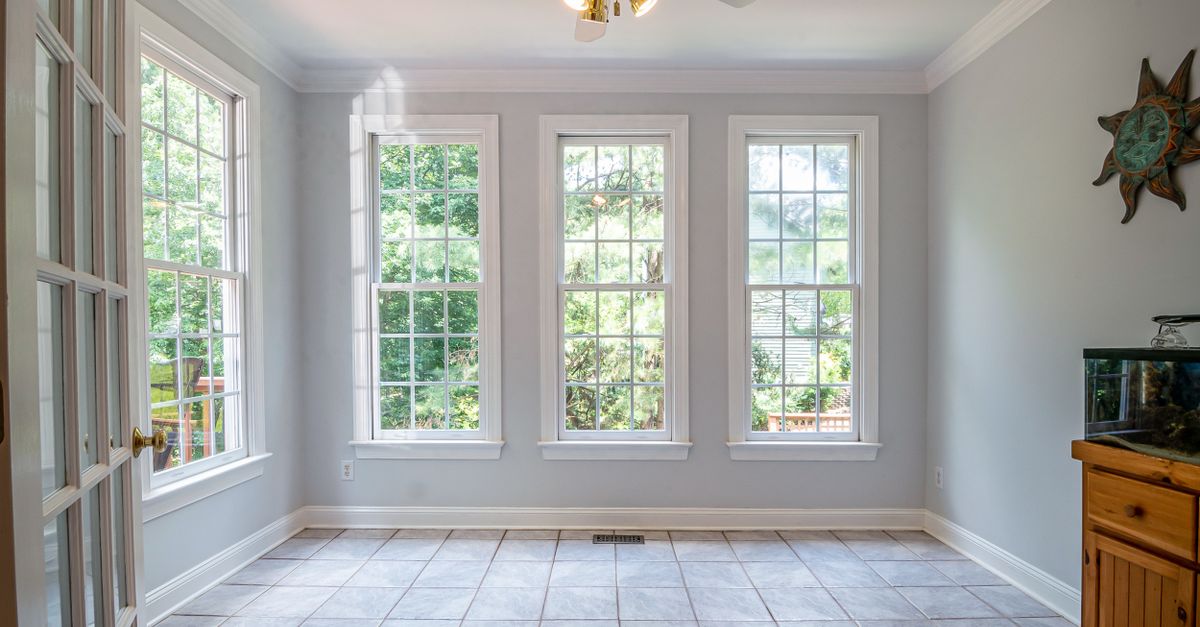
Why Your Home Still Feels Stuffy (Even with Windows Open) — And What Actually Works for Real Freshness
You’ve done everything right, or so you think. The sun is shining, the birds are singing, and you’ve thrown open every window in your home, hoping to invite that fresh outdoor air in. Yet, an hour later, you walk into your living room and it still feels…stale. That familiar, slightly musty, heavy air hangs stubbornly, refusing to dissipate. You try again, perhaps even turning on a fan, but the results are disappointing. It’s frustrating, isn’t it? You crave that truly fresh, breathable quality that makes a home feel vibrant and clean, but it consistently eludes you.
I’ve been there. For years, I struggled with a perpetually stuffy house, convinced that more open windows were the only answer. I’d air out the house for hours, only to be met with the same stagnant feeling. It wasn’t until I started looking beyond the obvious that I realized the problem wasn’t a lack of fresh air entering the house, but a complete lack of proper air circulation and exchange – and a host of hidden culprits trapping that stale air inside. What I discovered fundamentally changed how my home felt, transforming it from a stuffy box to a breathable sanctuary. It’s not just about opening windows; it’s about understanding the subtle dynamics of your home’s air and actively managing them.
Key Takeaways
- Merely opening windows isn’t enough; you need to create a cross-ventilation path to effectively exchange indoor and outdoor air.
- Identify and eliminate hidden sources of indoor air pollution, such as scented products, cooking fumes, and dust, to improve overall air quality.
- Incorporate strategic use of fans, both exhaust and circulating, to drive stale air out and pull fresh air in.
- Regularly maintain HVAC systems, clean air ducts, and change filters to prevent recirculation of stale, allergen-laden air.
- Leverage natural elements like plants and simple, non-toxic cleaning routines to contribute to a genuinely fresh-smelling and healthy home environment.
The Cross-Ventilation Fallacy: Why One Open Window Isn’t Enough
The biggest mistake I see most people make, and certainly one I made for years, is believing that simply opening a window or two is enough to air out a room. It feels intuitive, right? Fresh air in, stale air out. But the reality is far more nuanced. Without a clear path for air to move through your home, you’re essentially just stirring the pot, not emptying and refilling it. Imagine trying to fill a bathtub with a leaky faucet while the drain is completely plugged. You’re bringing in new water, but the old, dirty water isn’t going anywhere.
The concept you need to grasp is cross-ventilation. This isn’t just a fancy term; it’s the fundamental principle of effective natural air exchange. It means creating an inlet for fresh air and an outlet for stale air, ideally on opposite sides of a room or house, allowing the breeze to flow straight through. In my previous home, I had a living room with a large window facing the front. I’d open it wide, but because there wasn’t a corresponding window or door on the back side of the house to create a draft, the air would just swirl around the front of the room, leaving the deeper corners stubbornly stuffy.
What changed everything for me was a simple experiment: I started opening a window on the opposite side of the house, even if it was just a small one in a hallway or another room. Immediately, I could feel a palpable difference. A gentle current of air began to move, pushing the stagnant air out and pulling the fresh air in. It’s like unplugging that bathtub drain while the faucet is still running. You get a constant flow, a true exchange. This often means being strategic about which windows and doors you open. Think about prevailing winds, the layout of your rooms, and how to create the longest, most unobstructed path for airflow. Sometimes, even opening an interior door can help create this path by connecting two otherwise isolated areas.
The Silent Saboteurs: Hidden Indoor Air Pollutants You’re Overlooking
Even with perfect cross-ventilation, your home can still feel stuffy if you’re constantly introducing new sources of indoor air pollution. Many of these culprits are so common we barely notice them, but they accumulate, creating a heavy, unpleasant atmosphere. In my experience, these silent saboteurs are often the primary reason people can’t achieve that crisp, clean feeling, no matter how much they ventilate.
Consider the everyday items: those fragrant candles, air fresheners, plug-ins, and cleaning sprays that promise ‘fresh linen’ or ‘ocean breeze.’ While they might smell pleasant initially, they release volatile organic compounds (VOCs) and other chemicals that don’t clean the air; they merely mask existing odors and add new particulates. I remember having a friend whose house always smelled strongly of laundry detergent, even when clean. She used scented products religiously, thinking it made her home smell fresh, but it actually created a dense, chemical-laden air that was far from truly clean.
Beyond artificial scents, think about cooking fumes. Even after dinner, residual oil particles and food odors can linger, especially without adequate exhaust. Over time, these build up on surfaces and in fabrics, contributing to that stuffy feeling. Pet dander, dust mites, mold spores, and even off-gassing from new furniture or carpets (again, VOCs) are all continually impacting your indoor air quality. My home’s stuffiness dramatically improved when I swapped out scented candles for an essential oil diffuser (with pure essential oils, used sparingly) and started using natural, vinegar-based cleaning solutions. I also made a habit of running the kitchen exhaust fan during and for at least 15-20 minutes after cooking, even for simple tasks.
The actionable step here is to audit your home for these hidden pollutants. Start phasing out heavily scented products for unscented or naturally derived alternatives. Invest in a good quality kitchen exhaust fan and use it consistently. Address any signs of mold immediately. And speaking of dust, let’s move on to that perennial foe.
The Dust Trap: Why Even a Clean House Can Feel Heavy
Dust is more than just unsightly; it’s a major contributor to stale, heavy-feeling air. And here’s the kicker: even if your surfaces look relatively clean, dust particles, along with allergens like pollen, pet dander, and microscopic skin flakes, are constantly suspended in the air. These airborne particles contribute to the physical weight and perceived stuffiness of a room. I used to think a quick swipe with a feather duster was enough. It wasn’t. It mostly just redistributed the dust into the air, where it would eventually settle again or get inhaled.
The real game-changer for me was understanding the nature of dust and adopting a more thorough cleaning regimen specifically aimed at removing it from the air and surfaces, rather than just moving it around. What changed everything for me was making a weekly habit of wet dusting and vacuuming with a HEPA filter. Wet dusting, using a slightly damp microfiber cloth, captures dust particles rather than scattering them. Starting from the highest surfaces and working down ensures that any falling dust is caught on lower surfaces or the floor.
Furthermore, my old vacuum cleaner was probably doing more harm than good, spitting fine dust back into the air. Investing in a vacuum with a certified HEPA filter made a dramatic difference. HEPA filters trap 99.97% of airborne particles 0.3 micrometers or larger, which includes most dust, pollen, pet dander, and smoke particles. This isn’t just about appearances; it’s about actively purifying the air. Beyond regular cleaning, don’t forget less obvious dust traps: curtains and blinds, upholstered furniture, and even ceilings. A good shake or vacuum of curtains and regular upholstery cleaning can prevent a significant amount of dust from recirculating. This commitment to active dust removal, rather than just surface cleaning, genuinely lightened the air in my home.
The HVAC Handicap: Your Heating & Cooling System Might Be the Problem
Your home’s heating, ventilation, and air conditioning (HVAC) system is designed to circulate air, but paradoxically, it can also be a significant source of stuffiness if not properly maintained. Many people assume that their HVAC system is inherently improving air quality, but in my experience, it often does the opposite if neglected.
Firstly, dirty air filters are a primary culprit. A clogged filter restricts airflow, forcing your system to work harder and reducing its efficiency in pulling air through. More importantly, it becomes a breeding ground for dust, allergens, and even mold, recirculating these contaminants back into your home. I used to replace my filters haphazardly, maybe every six months or so. What changed everything for me was setting a reminder to replace them monthly (or at least every 2-3 months, depending on pet ownership and allergy sensitivity). The difference in air quality was immediate and noticeable – a much cleaner, lighter feel.
Secondly, uncleaned air ducts can be a reservoir of old dust, debris, and mold. Every time your system kicks on, it can blow these accumulated particles throughout your home. While not an annual task, having your ducts professionally cleaned every 3-5 years, especially if you’ve moved into an older home or recently completed renovations, can dramatically improve overall air freshness. The cost might seem high, but the long-term benefits for air quality and system efficiency are well worth it.
Finally, ensure your HVAC system is properly sized for your home. An undersized system struggles to condition the air effectively, while an oversized one cycles on and off too frequently, leading to poor humidity control and inadequate air filtration. Regular professional maintenance, once a year, can catch these issues and ensure your system is working optimally to both condition and refresh your indoor air.
The Green Solution & The Power of Simplicity: Plants and Natural Aids
While plants alone won’t solve a severe stuffiness problem, they play a surprisingly effective supporting role in maintaining a fresh home environment. Beyond their aesthetic appeal, certain houseplants are natural air purifiers, absorbing common VOCs and releasing oxygen. I used to think plants were just for decoration, but after integrating a few strategic ones, I noticed a subtle yet significant improvement in the overall ‘liveliness’ of the air.
My personal favorites for air purification are Snake Plants, ZZ Plants, Pothos, and Peace Lilies. These are not only effective but also incredibly low-maintenance, making them perfect for busy individuals. Aim for a few plants per room, especially in areas where you spend a lot of time. They act as mini biological filters, constantly working to cleanse the air.
Beyond plants, embrace the power of simplicity in your daily routines. Instead of chemical air fresheners, consider natural alternatives. A bowl of baking soda can absorb odors in a refrigerator or closet. Leaving out bowls of white vinegar (the smell dissipates quickly) can neutralize strong odors. Simmering citrus peels, cinnamon sticks, or cloves on the stove creates a natural, inviting aroma without introducing harmful chemicals. Open windows after a shower to prevent moisture buildup and mold growth. Use exhaust fans in bathrooms and kitchens. These small, consistent habits, when combined with proper cross-ventilation and cleaning, create a holistic approach to real air freshness. It’s about building a living environment that naturally breathes, rather than trying to mask its stagnation with artificial solutions.
Frequently Asked Questions
Q: How often should I open my windows to air out my house?
A: Aim for at least 10-15 minutes, two to three times a day, especially in the morning and evening when outdoor air is cooler and cleaner. On days with pleasant weather, you can keep them open for longer. The key is to create cross-ventilation, opening windows on opposite sides of your home to allow air to flow through.
Q: Do air purifiers actually help with stuffy air?
A: Yes, a good quality air purifier, especially one with a HEPA filter, can significantly help by capturing airborne particles like dust, allergens, and some VOCs that contribute to stuffiness. It’s a great complement to natural ventilation, particularly on days when you can’t open windows due to weather or outdoor allergens.
Q: Can my carpets or furniture make my house feel stuffy?
A: Absolutely. Carpets and upholstered furniture act as sponges, trapping dust, pet dander, and odors over time. Regular vacuuming with a HEPA filter is crucial, and professional carpet and upholstery cleaning every 12-18 months can make a noticeable difference in reducing stuffiness and improving air quality.
Q: What’s the best way to deal with cooking odors that make my house stuffy?
A: Always use your kitchen exhaust fan during cooking and leave it running for at least 15-20 minutes after you’re done. This pulls odors and grease particles out of your home. For very strong odors, you can also open a nearby window to enhance the exhaust fan’s effectiveness through cross-ventilation. Cleaning kitchen surfaces regularly also prevents odor buildup.
Q: Are there any specific plants that are best for improving indoor air freshness?
A: While all plants help by producing oxygen, some are known for their air-purifying qualities. Snake Plants, ZZ Plants, Pothos, Peace Lilies, Spider Plants, and Boston Ferns are excellent choices that are also relatively easy to care for. Aim for a variety and sufficient number of plants to make a noticeable impact on your indoor air quality.
Conclusion
Achieving true freshness in your home isn’t about magic; it’s about understanding the science of airflow and diligently addressing the hidden culprits that contribute to stale, stuffy air. It’s a journey from simply opening a window to strategically managing your home’s breathing. By embracing cross-ventilation, eliminating hidden pollutants, mastering dust removal, maintaining your HVAC system, and integrating natural purifiers like plants, you’re not just making your house smell better – you’re fundamentally transforming its atmosphere into a healthier, more invigorating space. Start by picking one or two of these actionable tips and implement them consistently. The difference will literally be a breath of fresh air.
Written by Emily Rodriguez
Relationships & Community Living
A gifted storyteller and community advocate focused on human connections and daily joys.
You Might Also Like

Why Most 'Budget-Friendly' Dog Food Fails (And What Actually Nourishes Your Pet for a Healthier, Happier Life)
Discover why cheap dog food often leads to hidden health costs and what truly nourishes your pet without breaking the bank.
Why Most 'Budget' Home Decor Fails (And What Actually Works for Timeless Style)
Stop wasting money on cheap decor. Discover why budget home decor often disappoints and learn the strategic approach for timeless style.

Why Most 'Budget-Friendly' Vacations Fail (And What Actually Works for Real Relaxation)
Discover why cheap vacations often lead to stress, not relaxation, and learn practical strategies for truly rejuvenating trips on a budget.